
War Thunder Review: Superb Vehicles, Punishing Economy
One of the deepest vehicular combat games on PC, held back by a progression economy its own community keeps protesting.
War Thunder has been running since the early 2010s, and in that time Gaijin Entertainment has turned it into the most comprehensive combined-arms game on PC: propeller fighters, Cold War jets, WWII armour, modern main battle tanks, coastal boats and blue-water warships, all sharing the same battles. It is free-to-play, available on Windows and macOS, and built around battle-rating matchmaking and per-nation tech trees you climb one vehicle at a time. The verdict up front: the simulation underneath is exceptional, and the economy layered on top is the reason this scores where it does rather than higher.
How we tested
We spent roughly 30 hours across aviation and ground forces, mostly at low and mid battle ratings, in Arcade and Realistic modes with a session in Simulator to see the ceiling. Testing used mouse-and-keyboard for ground and a joystick for air, on a mid-range Windows desktop that held high settings comfortably. We tracked Silver Lion income, repair costs and research rates on a free account without a premium subscription, which is the situation most new players start from.
The vehicles are the whole point
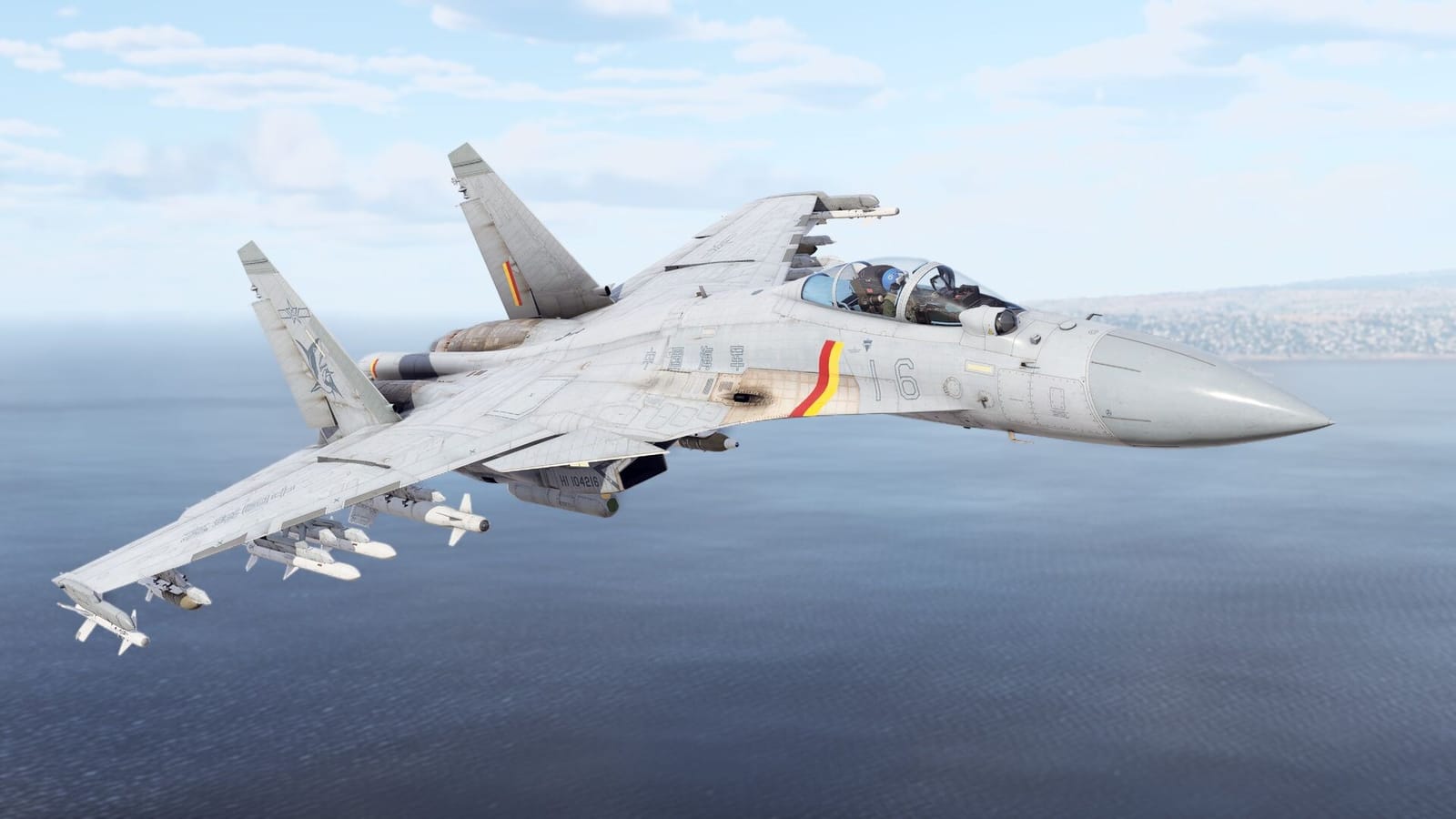
Nothing else in the space matches the care here. Armour is modelled plate by plate with angle and thickness that actually matter, shells behave differently by type, and hits knock out specific modules and crew rather than just draining a health bar. Aircraft have distinct flight characteristics you can feel, and learning a plane’s energy behaviour is a genuine skill. Ships are slower and more niche but similarly detailed. Whether you are bouncing a shot off a sloped hull or nursing a damaged engine back to base, the systems reward knowledge, and that depth is the game’s real content.
One game, three very different experiences
War Thunder contains a wide difficulty spread. Arcade is fast, forgiving and lets you brawl with markers and simplified physics. Realistic is the default competitive mode, tactical and unforgiving of mistakes, where positioning and first shots decide fights. Simulator strips away the aids entirely and asks for a controller setup and patience. The same vehicles carry across all three, so you can pick the intensity that suits you, and the tech trees give you a near-endless list of machines to work toward.
Progression: the grind is the product
Climbing a tech tree is slow, and it is slow on purpose. Research points trickle in, higher-tier vehicles cost more, and repair bills after a match scale up sharply as you progress, to the point where an average player in a stock high-tier vehicle can end a round losing Silver Lions. Gaijin has been candid that free vehicles are balanced around thin or negative income for typical players, which nudges you toward a premium account, premium vehicles that earn more, and the marketplace. There is also a tradable-vehicle economy with Gaijin Coins for players who engage with events. It all works, and it all points the same direction.
Monetisation and its history
The community has pushed back hard. There was a large, organised review-bombing campaign over economy changes, and Gaijin reversed part of it and has since made periodic adjustments, such as premium vehicles arriving with modifications unlocked to skip the stock grind. The relationship between studio and players around monetisation is openly adversarial, and while the game is playable for free, doing so at higher tiers without spending is a test of endurance. You should know that going in.
Who it’s for
This is for players who want depth over convenience and are happy to specialise in one nation and one vehicle class rather than chase everything. Flight-sim and tank-nerd curiosity is well rewarded here. If you want quick, frictionless progression, or you resent free-to-play economies that are designed to wear you down, War Thunder will not win you over.
Verdict
War Thunder is a strange recommendation to write, because the core is close to untouchable. No other game lets you fight WWII armour and Cold War jets and warships in one match with this level of modelled detail, and the skill ceiling in Realistic and Simulator is enormous. If you find a battle rating and a vehicle line you love, you could play for years.
It sits in the middle of the pack because the economy is a deliberate drag on everything good about it. The grind is long, repair costs punish the players who most need a break, and the studio has built the free experience to make spending feel necessary. If you go in treating it as a game to dabble in at low tiers, or you are willing to buy a premium account to smooth the curve, it is well worth playing. If you expect to reach the modern top tier for free without it becoming a second job, temper that expectation now.
- Vehicle modelling and damage physics are the genre's benchmark, from armour penetration to component damage.
- One game covers arcade brawling, realistic tactical play and a demanding simulator mode across huge tech trees.
- The progression economy, repair costs and Silver Lion income, is tuned to make premium purchases attractive.
- The community has repeatedly review-bombed the game over economy changes, and Gaijin has partly walked them back.
- Great for sim-curious players willing to specialise; rough for anyone expecting to reach top tier for free at a reasonable pace.
Pros
- Best-in-class vehicle modelling and damage physics
- One game spanning arcade, realistic and full simulator play
- Massive tech trees across many nations and eras
- Fully playable for free at low and mid tiers
Cons
- Research and Silver Lion grind is long and deliberately slow
- Repair costs can leave average players losing currency per match
- Free vehicles are openly balanced around weak income
- Studio-community relationship over monetisation is contentious

Comments 0